
Why Most Garden Lighting Fails
Most people approach garden lighting wrong. They buy a random pack of solar stakes, shove them in the ground, and wonder why their garden still feels uninviting after dark.
The problem isn't the lights themselves. It's the approach.
Good garden lighting isn't about making your yard bright. It's about creating layers of light that serve different purposes—some for atmosphere, some for function, some for pure drama.
"Good garden lighting isn't about making your yard bright. It's about creating layers of light that serve different purposes—some for atmosphere, some for function, some for pure drama."
The Three Layers of Garden Lighting
Think of garden lighting like interior lighting. You wouldn't light your living room with just one overhead fixture and call it done. You'd layer different types of light. Same principle applies outside.
Ambient Lighting
The base layer. Soft, overall illumination that sets the mood. This isn't about seeing clearly—it's about feeling comfortable.
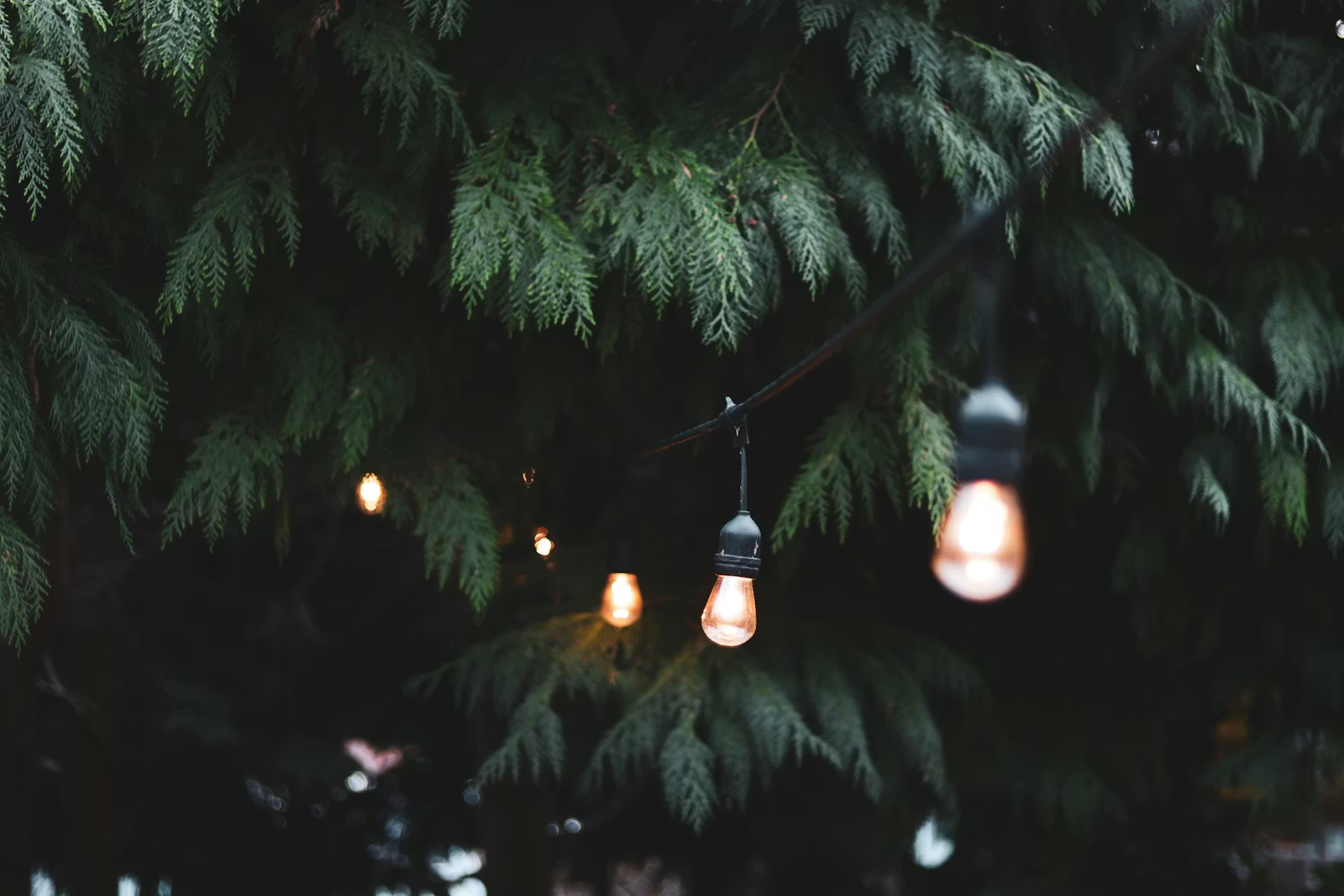
I use string lights (the Edison bulb kind, not the harsh LED rope lights) over our patio. They cast enough light to eat dinner, play cards, have conversations. But they're not so bright that it feels like we're under interrogation.
Task Lighting
Brighter, more focused light for areas where you need to actually see what you're doing.
- Over outdoor dining tables
- Near the grill or outdoor kitchen
- On steps and stairs
- Along pathways
Task lighting should be bright enough to be functional but not so harsh that it's unpleasant. Nobody wants to eat dinner under a spotlight.
Accent Lighting
This is where you get creative. Accent lighting highlights specific features—trees, plants, architectural elements, water features.
- Uplighting (lights pointing up at trees or walls)
- Downlighting (lights mounted high, pointing down)
- Spotlighting (focused beams on specific features)
- Silhouette lighting (backlighting for dramatic shadows)
Accent lighting is optional from a functional standpoint. But it's what makes your garden look designed instead of just... lit.
String Lights: The Easiest Transformation
String lights are like the gateway drug of garden lighting. Easy to install, relatively affordable, instant atmosphere. If you do nothing else, do this.
What Works
- Edison bulb string lights on black cords
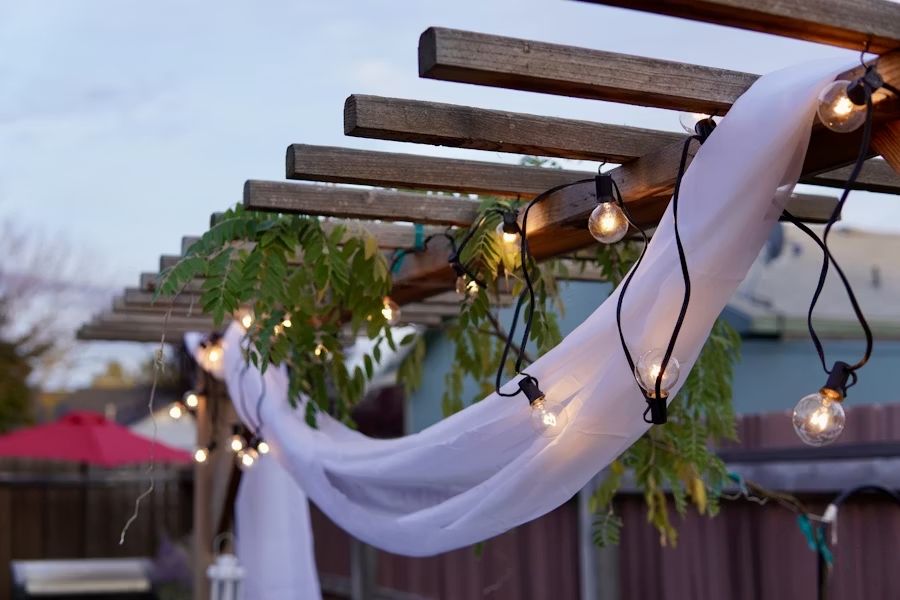
- Globe lights for softer, diffused glow
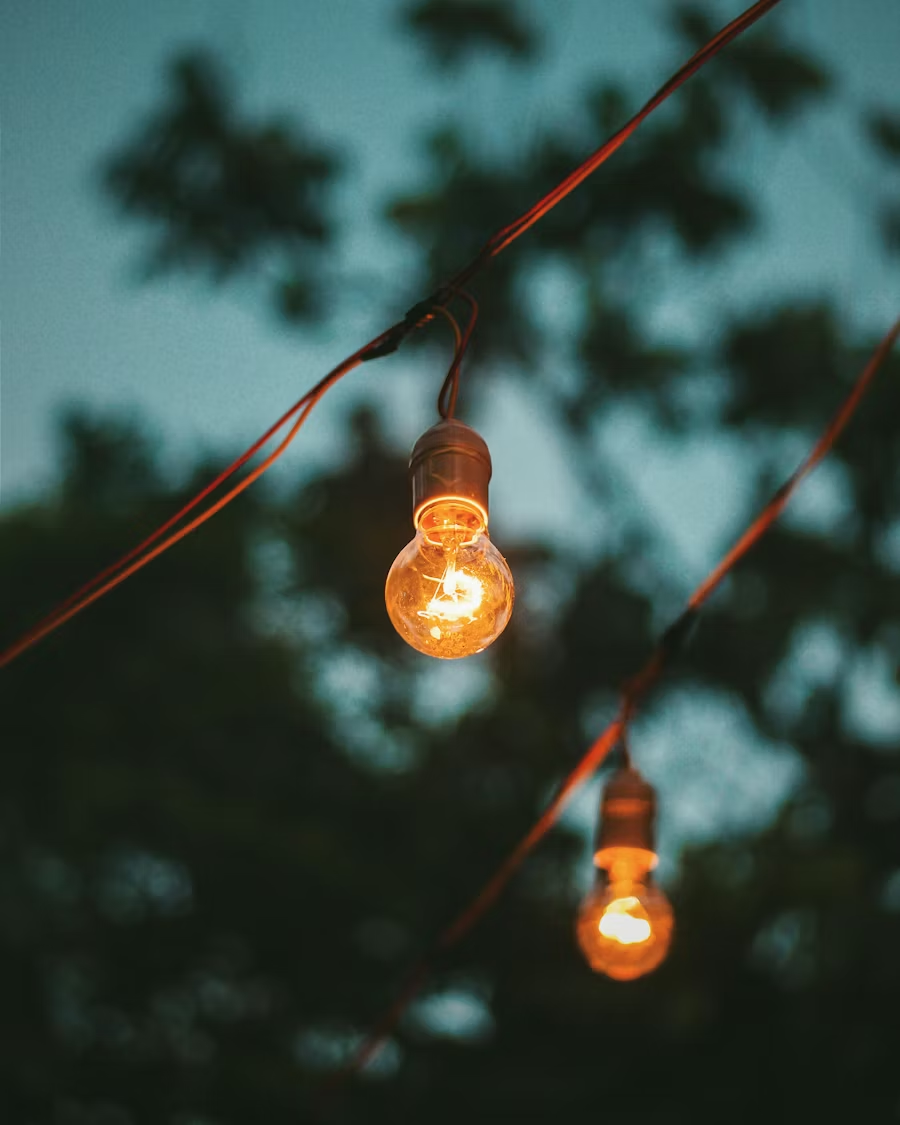
- Warm white (2700K) colour temperature
- Commercial-grade for durability
What to Avoid
- Small, tightly-spaced Christmas-style bulbs
- Rope-style LED lights (harsh)
- Visible orange extension cords
- Cool white/blue-tinted bulbs
Where to Hang Them
- Across a patio or deck in a zigzag pattern
- Along fence lines at varying heights
- Wrapped loosely around tree branches (leave room for growth)
- Under a pergola or arbor
- Along a garden trellis
Solar vs. Plug-In
Plug-in wins for primary lighting every time. They're brighter, more reliable, and don't fade as the battery drains. Solar is fine for supplemental areas where brightness doesn't matter as much—but don't rely on it for your main ambiance.
Pathway Lighting: Safety Meets Style
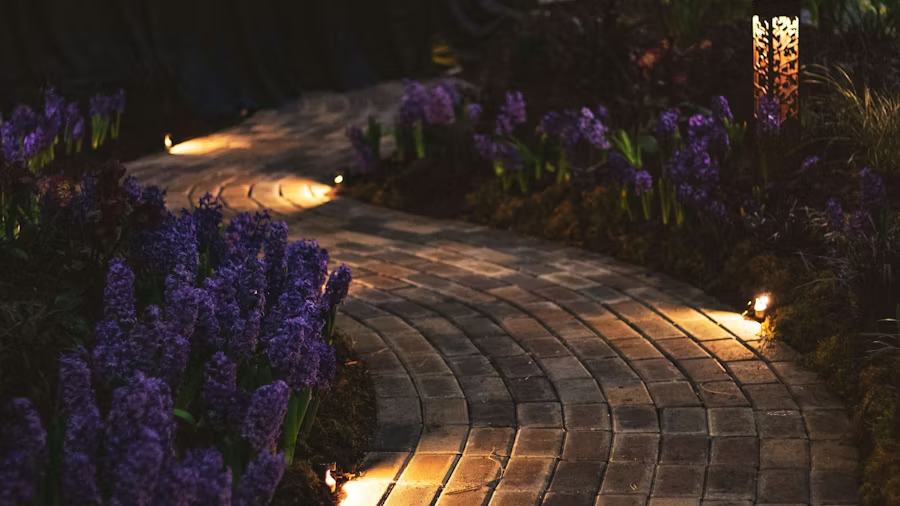
Pathway lights serve a practical purpose—helping people navigate without tripping—but they can also look really good when done right.
Types That Work
- Low bollard lights — 12-18 inches tall, modern clean look
- Stake lights — Budget-friendly, usually solar powered
- Recessed path lights — Flush with ground, very sleek
- Mushroom lights — Classic style, diffused downward light
How many you need: Space them 6-10 feet apart along your path. Test by walking the route at night before finalizing placement—you want enough light to see where you're going, not a runway landing strip.
Uplighting: The Secret to Drama
Uplighting—placing lights at ground level pointing upward—is what makes a garden look professionally designed. It's the difference between "nice garden" and "wow, this feels like a resort."
What to Uplight
- Trees — Creates height, drama, makes garden feel larger at night
- Architectural walls — Textured surfaces look incredible with uplighting
- Large shrubs — Those with interesting structure or variegated leaves
- Sculptures or focal points — Draw the eye to garden art
I have uplights on two large trees in our yard. Just two. The effect is dramatic—the trees glow against the dark sky, their branches cast shadows on the house behind them, and suddenly the whole space feels intentional and beautiful.
The Technical Bits That Actually Matter
Colour Temperature Guide
Brightness
Less than you think. Seriously. The biggest mistake people make is installing lights that are too bright. Your eyes adjust to darkness quickly—you don't need stadium lighting to enjoy your garden.
Fixtures
Buy quality fixtures that will last. Cheap fixtures corrode, crack, and fail within a season or two. Look for marine-grade materials if you're in a humid climate.
Common Mistakes to Avoid
- Too much light — Creates a harsh, unwelcoming atmosphere
- Wrong colour temperature — Cool white makes everything look clinical
- Visible fixtures — During the day, you should barely notice them
- No layers — Relying on just one type of lighting
- Cheap solar stakes — Dim, unreliable, and tacky looking
- Pointing lights at the house — Light the garden, not the windows
The Bottom Line
Garden lighting isn't about making your yard bright. It's about creating layers of warm, welcoming light that makes your outdoor spaces usable and beautiful after dark.
Start with string lights for ambiance. Add pathway lighting for safety. Layer in uplighting for drama. Finish with decorative accents for personality.
Choose warm colour temperatures (2700-3000K). Use less brightness than you think you need. Hide fixtures during the day. And for the love of good design, bury your extension cords.
Final Thought
Your garden worked hard to be beautiful. Give it the lighting it deserves—then go sit outside after sunset and actually enjoy the space you've created.